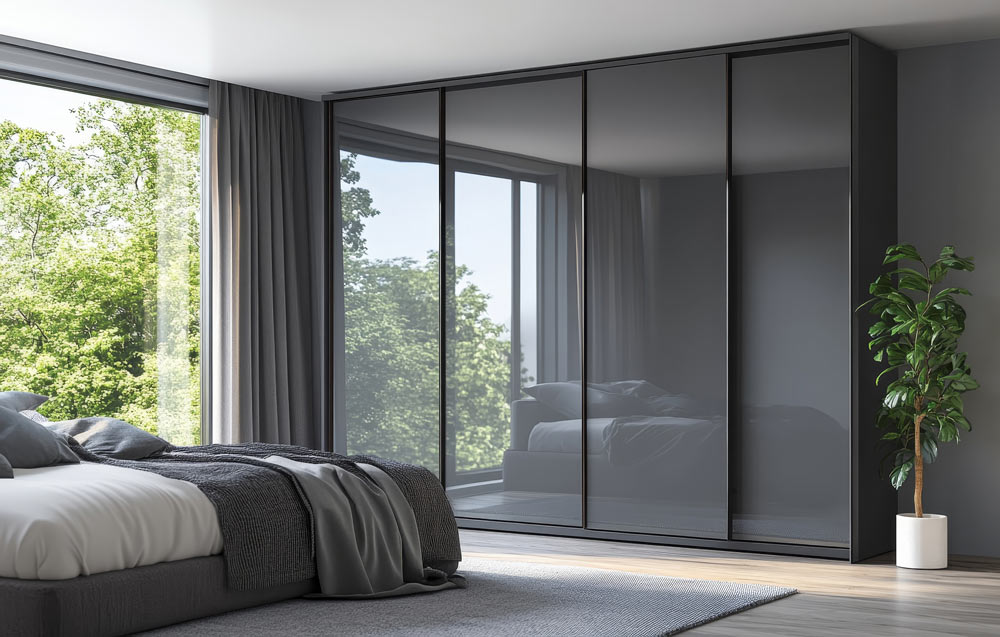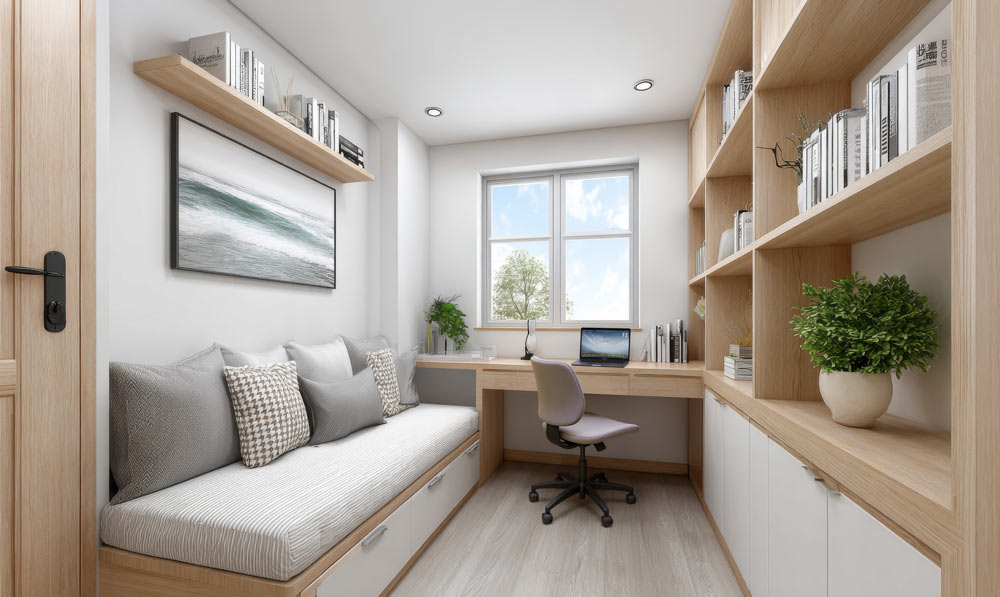
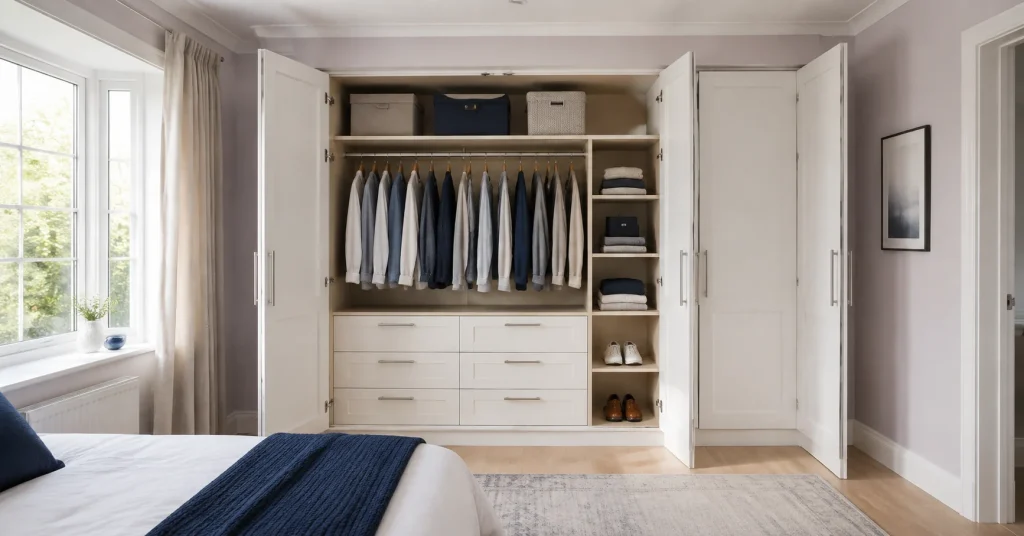
A fitted wardrobe should do more than hide clutter. The best interiors make your mornings easier because every rail, drawer and shelf has been planned around what you actually wear.
Before choosing doors, colours or handles, it helps to think through your daily habits. A bespoke internal layout can turn fitted bedroom furniture into a calm, practical system that keeps clothes visible, protected and simple to put away.
Start with the clothes you reach for most
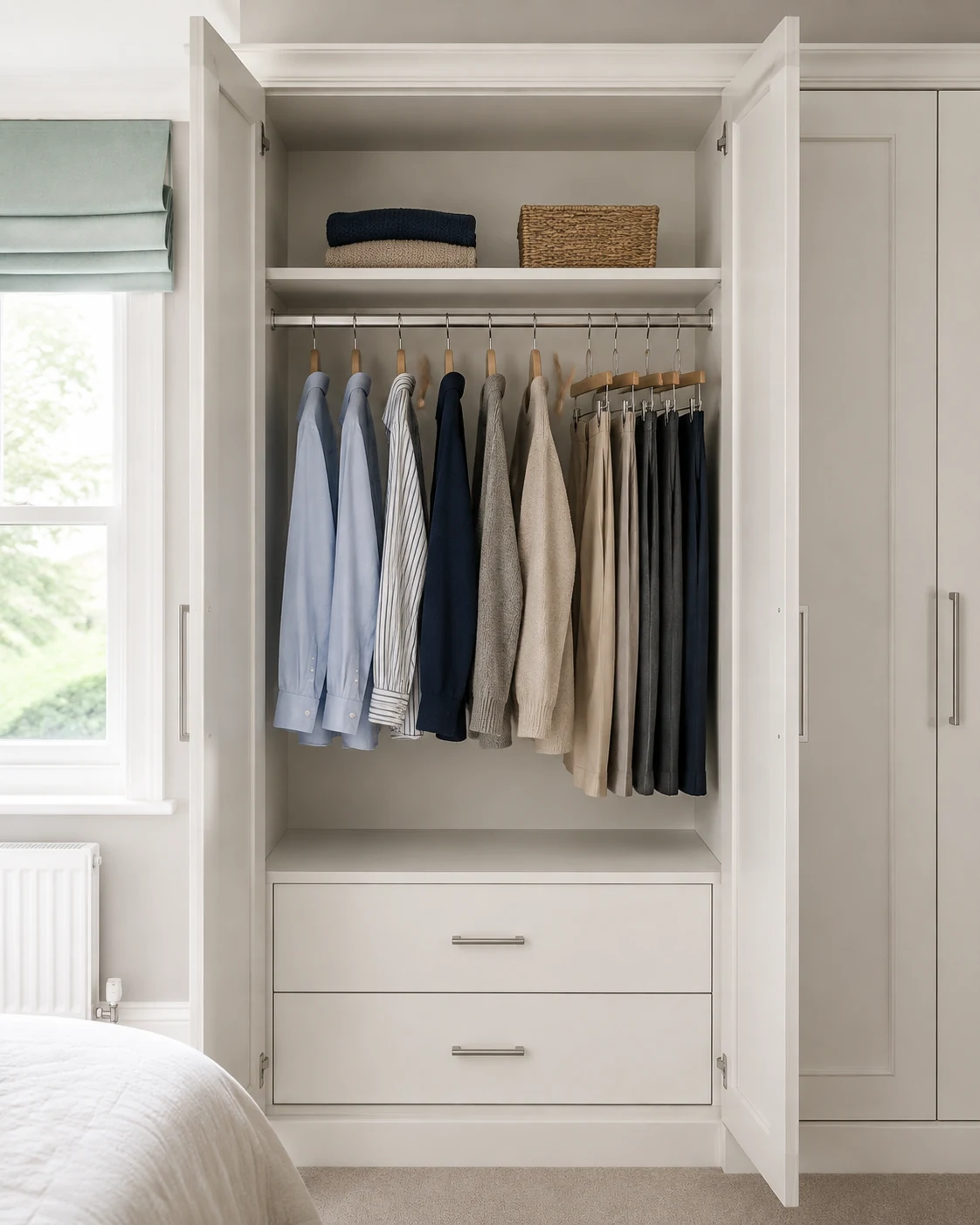
The easiest wardrobe interiors begin with honest observation. Look at what you wear in a normal week, not what you wish your wardrobe looked like. If most of your clothing is folded knitwear, jeans and casual tops, a wall of hanging space will not help. If you wear shirts, dresses, suits or workwear regularly, short and full height hanging need to take priority.
A useful starting point is to split clothing into three groups: daily items, occasional items and seasonal items. Daily items should sit at the most comfortable height, usually between waist and eye level. Occasional items can sit higher, lower or further into the wardrobe. Seasonal items can be stored in upper cupboards, deeper shelves or less visible sections.
This is where fitted wardrobes ideas become more useful than generic inspiration. A beautiful wardrobe interior is only successful if it matches your routine. For example, two people sharing a wardrobe may need very different layouts. One side might need double hanging for shirts and trousers, while the other needs deeper shelves for folded clothing and drawers for accessories.
Planning around real use also reduces the familiar problem of clothes drifting onto chairs, beds and floors. When items have an obvious place, tidying becomes part of the routine rather than a separate chore.
Use rails with purpose, not guesswork
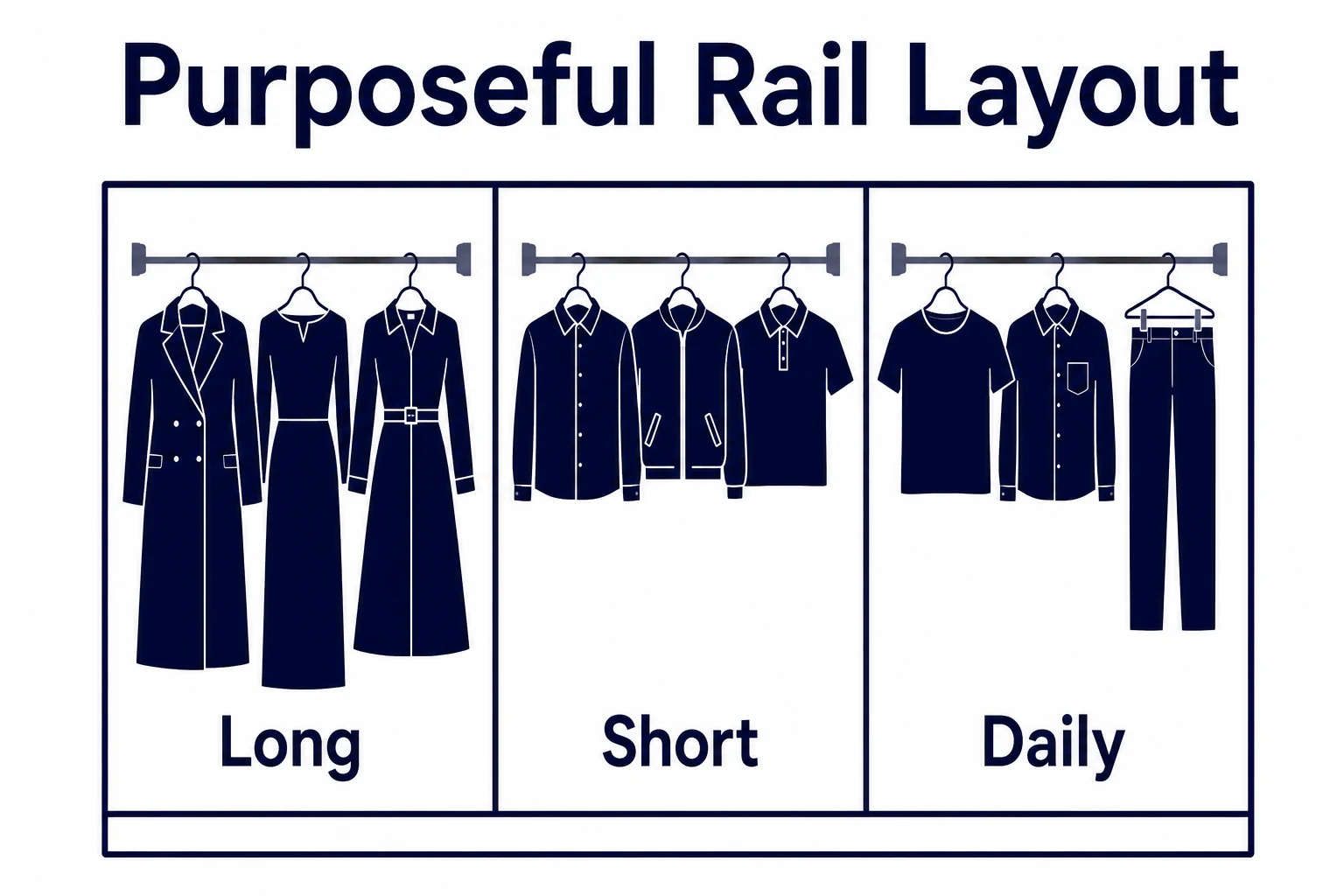
Hanging space is often the first thing people imagine when they think about wardrobe built in design, but the proportions matter. Too much hanging can waste valuable space. Too little can leave clothing crushed together and harder to see.
Short hanging is useful for shirts, blouses, jackets, skirts and folded trousers. Double short hanging, with one rail above another, can make excellent use of full height fitted wardrobes. Full height hanging is better for longer dresses, coats, robes and garments that need to fall freely.
It is worth thinking about garment length before the design is finalised. A wardrobe for long dresses will need different internal spacing from one used mainly for shirts and knitwear. If you share a wardrobe, separate rails can stop one person’s clothing from crowding the other’s.
Rails should also support the order in which you get dressed. Work clothing, everyday outfits, occasionwear and outer layers can each have their own area. Some homeowners like to group by type, while others prefer to group by outfit. There is no universal right answer. The right choice is the one that makes the wardrobe feel intuitive every morning.
If the bedroom itself feels crowded, it may also help to look at how fitted storage changes the wider room. Khristians has a helpful guide on how fitted wardrobes make small bedrooms feel less cluttered, which explains why planned storage can make the whole space easier to live with.
Choose drawers for the items that create mess fastest
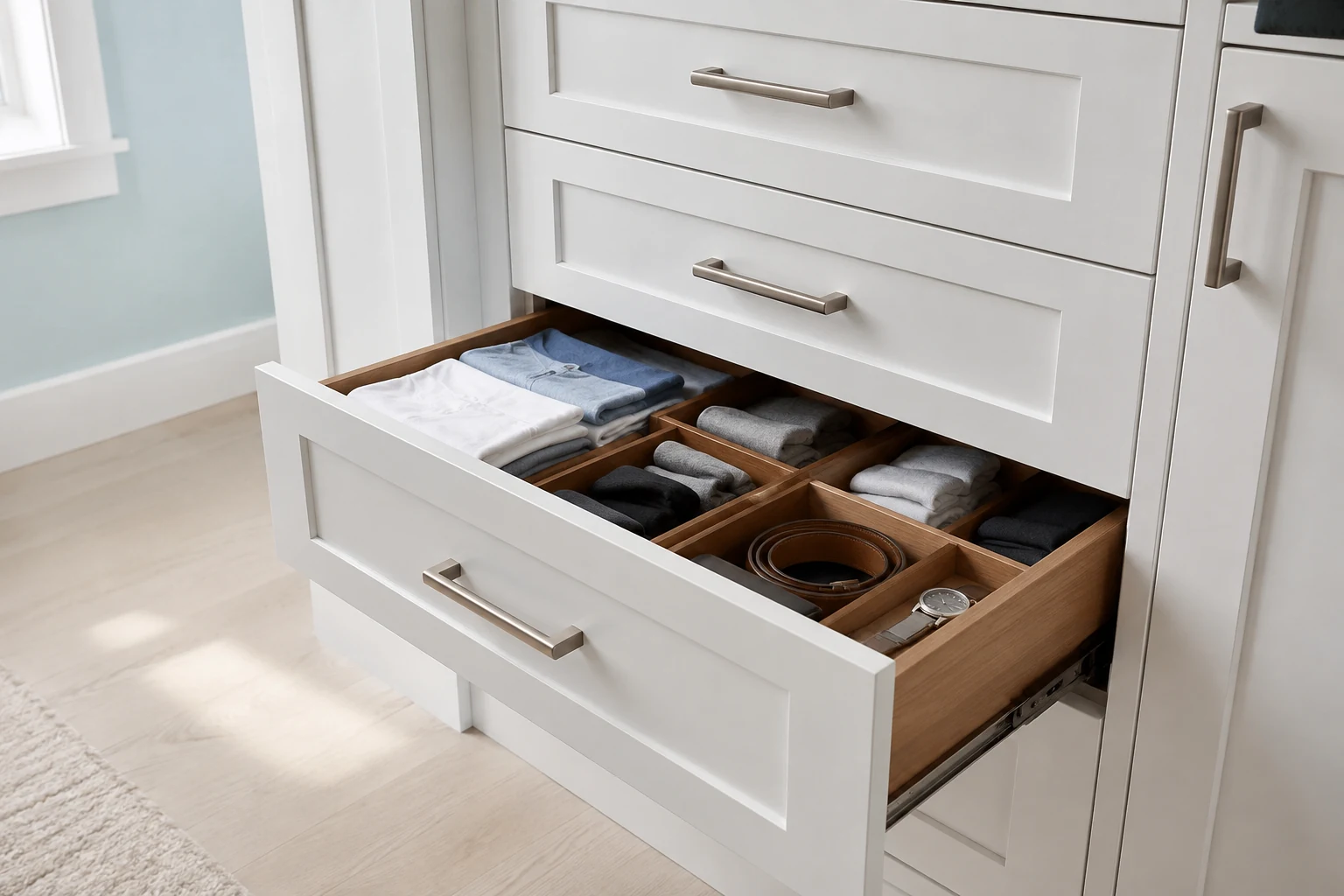
Drawers are one of the most useful parts of a fitted wardrobe interior because they control small items. Socks, underwear, belts, scarves, gym kit, sleepwear and accessories can all become messy when they are kept on open shelves. Drawers give them a clear boundary.
Shallow drawers work well for items that need to be seen at a glance. Deeper drawers are useful for bulkier pieces such as knitwear, folded jeans or spare bedding. A mix of depths is usually more practical than choosing the same drawer size throughout.
Internal dividers can make drawers even easier to use. They help stop smaller items sliding around and make it simpler to return everything to the same place. This is particularly useful in shared wardrobes, where each person can have their own zones.
Drawers also help create a cleaner look when the wardrobe doors are open. Not every item needs to be on display. In fact, wardrobes often work best when frequently used clothing is easy to reach, while visually busy items are contained.
When planning luxury fitted bedroom furniture, it is worth discussing drawer positions early. Drawers at a comfortable height are easier to use every day, while lower drawers can suit heavier or less regular items.
Make shelves work harder
Shelves are often treated as simple storage, but their depth, height and position make a big difference. Deep shelves can be useful for larger items, but they can also encourage piles that are difficult to manage. Shallower or carefully spaced shelves can make folded clothes easier to see and reach.
Open shelves work well for knitwear, jeans, bags and boxes. Adjustable shelving can add flexibility if your storage needs change over time. Higher shelves are useful for items you do not need every day, such as spare bedding, holiday clothing or keepsake boxes.
One of the most common mistakes is creating shelves that are too tall. Large gaps often lead to unstable piles. Smaller shelf openings can keep stacks neater and make it easier to remove one item without disturbing everything else.
Shelves can also solve awkward areas. Sloping ceilings, alcoves and unused corners often waste space in freestanding furniture. A fitted design can turn those areas into useful storage instead. If your room has difficult corners, the guide on using fitted wardrobes in awkward bedroom corners is a useful next step.
Plan shoes, bags and accessories as part of the design
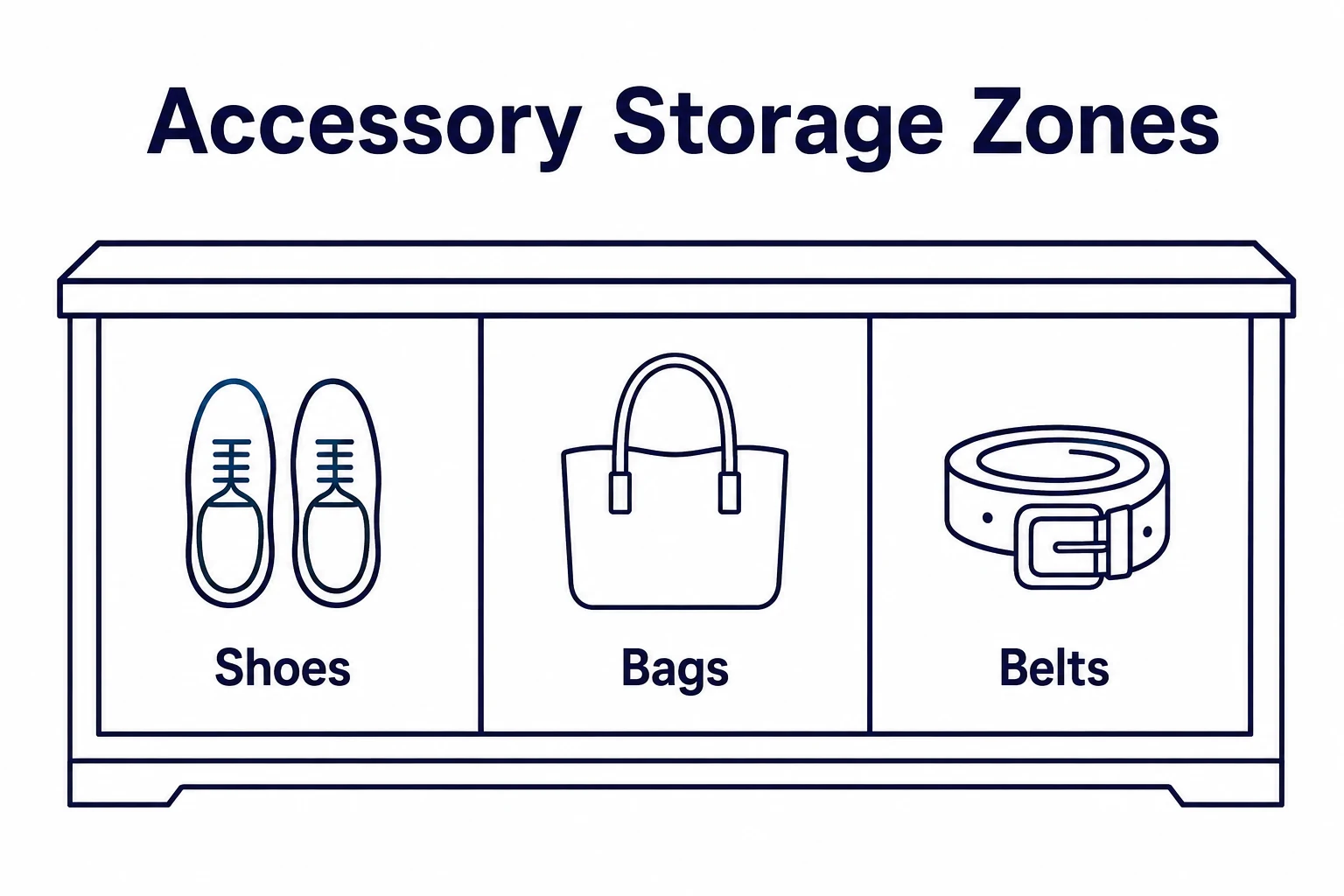
Shoes and accessories are often added as an afterthought, but they have a big effect on how tidy a wardrobe feels. If shoes end up scattered at the bottom, the whole wardrobe becomes harder to use.
Dedicated shoe shelves can keep pairs visible and easy to choose. Angled shelves, flat shelves or lower compartments can all work, depending on the number and type of shoes you own. Boots may need taller sections, while everyday shoes can sit in lower rows.
Bags also need proper space. If they are squeezed onto a shelf, they can lose shape or become difficult to access. A few taller shelf spaces can be more useful than many narrow ones if you regularly store handbags, work bags or travel bags.
Accessories benefit from small, deliberate zones. Jewellery trays, belt sections, tie storage, hooks and shallow drawers can all reduce morning searching. These details may seem minor, but they are often what make a wardrobe feel genuinely bespoke.
Door style and handle choice will affect how the finished bedroom feels, but those decisions should support the practical layout inside. For more detail on the outer finish, Khristians has advice on how to choose doors and handles for fitted wardrobes.
Think about routines, not just storage capacity
A fitted wardrobe is not only about fitting more into the room. It is about making the room easier to use every day. That means the best internal layouts often reflect routines rather than simple volume.
If you get ready quickly in the morning, you may want workwear, shoes and accessories close together. If you plan outfits in advance, a small section for the next day’s clothing can be useful. If laundry is the main source of mess, clear drawer and shelf categories can make putting clothes away quicker.
Lighting can also help, especially in deeper wardrobes. Good internal visibility makes it easier to find dark clothing, check colours and avoid forgotten items at the back. Mirrors, dressing table storage and nearby bedside furniture can also be considered as part of the wider fitted bedroom plan.
The strongest built in wardrobes feel calm because they remove daily friction. Clothes are easier to find. Clean laundry has somewhere to go. Occasional items are stored without taking over the space used every day. Over time, that makes the bedroom feel more ordered without relying on constant tidying.
- Plan your wardrobe interior around the clothes you wear most often, not just the look of the doors.
- Use a mix of short hanging, full height hanging, drawers and shelves to match real habits.
- Drawers are ideal for small items that quickly create clutter when left on open shelves.
- Shoes, bags and accessories should be included from the start of the design.
- The best fitted bedroom wardrobes make daily routines easier as well as increasing storage.
Frequently asked questions
What should I include inside fitted wardrobes?
A practical fitted wardrobe usually includes a mix of hanging rails, drawers, shelves and dedicated space for shoes or accessories. The right balance depends on your clothing habits, so start by looking at what you wear and store most often.
Are drawers better than shelves in a fitted wardrobe?
Drawers and shelves do different jobs. Drawers are best for smaller items and anything that can become messy quickly. Shelves are useful for folded clothes, bags, boxes and larger items. Most bedrooms benefit from a thoughtful mix of both.
How can fitted wardrobes make mornings easier?
They make mornings easier by giving everyday clothing a clear, reachable place. When rails, drawers and shelves are planned around your routine, you spend less time searching and less time tidying.
Should fitted wardrobe interiors be planned before choosing doors?
Yes. Door style matters, but the interior layout should come first. Once the storage has been planned properly, the doors, handles and finish can be chosen to suit the room and support the way the wardrobe will be used.
Plan a wardrobe around your routine
If you are thinking about fitted bedroom furniture, Khristians can help you plan an interior that suits your clothes, your space and the way you use the room every day.