Working from home has settled into something more permanent than many people expected. What began as a temporary arrangement for a lot of UK workers has gradually reshaped how homes are designed and used. Spare rooms are no longer simply overflow storage or occasional guest spaces; they are being rethought as fully functional working environments.
In that shift, built-in furniture has quietly become one of the most practical solutions available. For homeowners searching for a Built-in Office Southampton, the appeal is often about more than aesthetics. It tends to be about making everyday working life feel less chaotic and more intentional, without sacrificing valuable living space.
The Shift Towards Permanent Home Working
Hybrid working is now fairly common across many industries in the UK. Rather than commuting five days a week, many people are splitting their time between home and office. That change has had a knock-on effect on how homes are laid out.
A kitchen table or spare desk in the corner of a bedroom might work short-term, but it rarely holds up well when used daily. Over time, clutter builds, posture suffers, and boundaries between work and rest begin to blur in ways that can feel slightly draining.
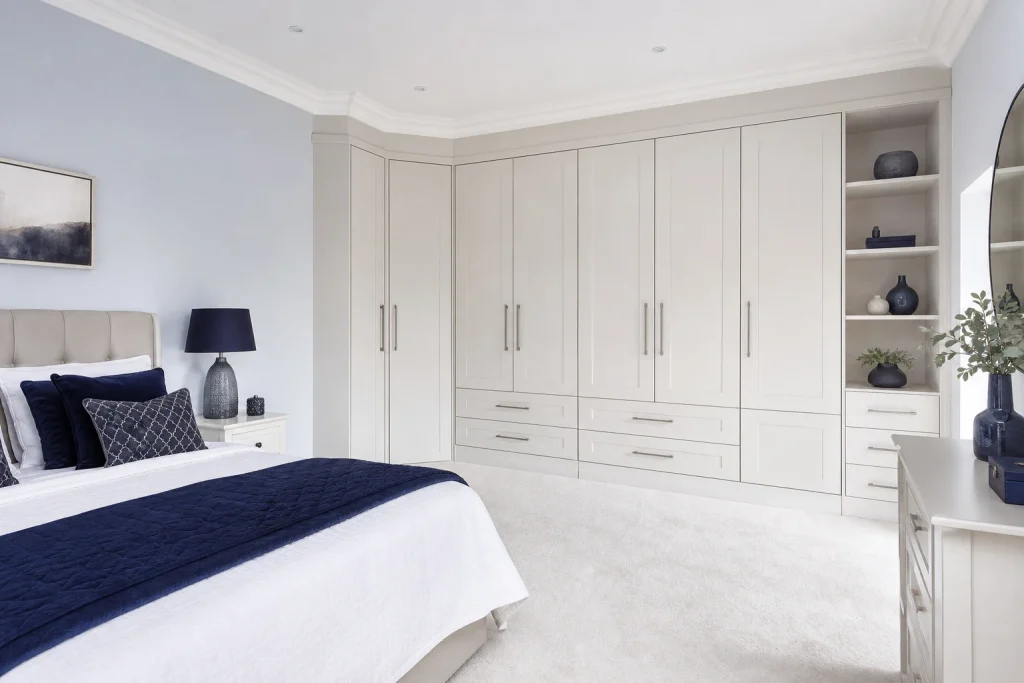
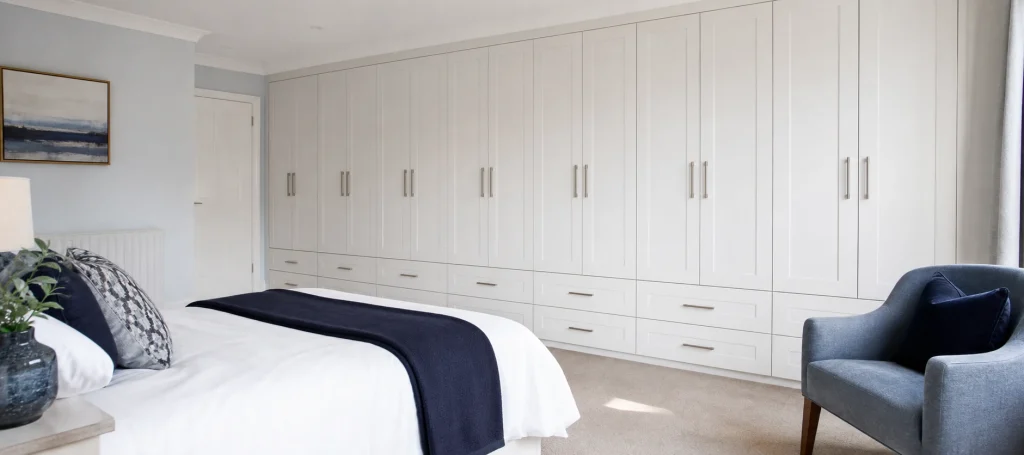
Built-in home offices appear to offer a more structured alternative. Instead of trying to adapt existing furniture, the workspace is designed into the room itself.
Making Better Use of Unused or Awkward Spaces
One of the most practical advantages of a built-in office is how effectively it can transform underused areas.
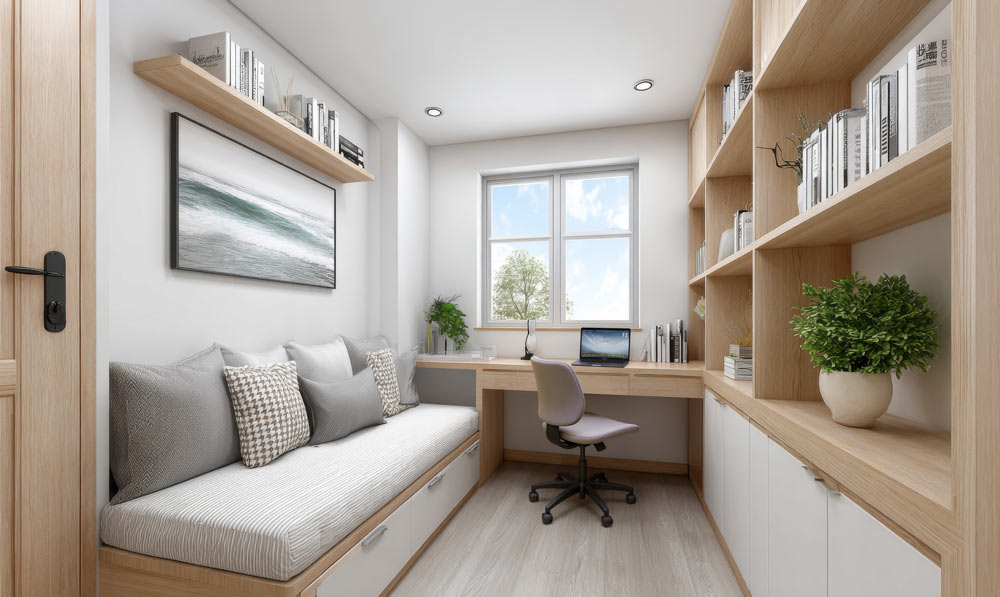
Not every home has a dedicated spare room. Many UK properties, especially in areas like Southampton and the surrounding Hampshire towns, have box rooms, alcoves, or narrow spaces that are difficult to furnish with standard desks.
A bespoke fitted office can turn those spaces into something genuinely usable.
Common examples include:
- Alcoves beside chimneys
- Small box bedrooms
- Landing areas with dead space
- Recesses under stairs
- Loft conversions with sloping ceilings
Instead of forcing flat-pack furniture into these areas, built-in designs are shaped around the room’s dimensions. That often leads to a surprisingly efficient layout, even in spaces that initially felt too small for a proper workspace.
Reducing Visual Clutter and Mental Noise
There is a growing awareness that clutter can affect how people feel while working. It may not be the only factor, but a messy or makeshift workspace can make concentration harder than it needs to be.
Built-in home offices tend to help with this because storage is integrated into the design from the beginning rather than added as an afterthought.
Typical features might include:
- Concealed cable management
- Integrated shelving
- Drawer units designed for paperwork
- Hidden printer cupboards
- Overhead storage cupboards
When everything has a place, the working area often feels calmer. It is not necessarily about minimalism for its own sake, but more about removing distractions that build up throughout the day.
Designing a Space That Actually Fits the User
One of the limitations of off-the-shelf office furniture is that it assumes a one-size-fits-all approach. In reality, working styles vary quite a lot.
Some people need multiple monitors and a wide desktop. Others mainly use a laptop and prefer a cleaner surface. Some require extensive storage for documents, while others barely use paper at all.
A built-in office allows those differences to be designed in from the start.
This might include:
- Adjustable shelving heights
- Custom desk widths
- Integrated lighting positioned for task work
- Charging points placed exactly where needed
- Storage tailored to specific equipment
In practice, this tends to make the space feel more natural to use. It fits the person, rather than the person having to adapt to the furniture.
Improving Work–Life Boundaries
One of the more subtle benefits of a built-in office is how it can help separate work from home life, even within the same property.
When a workspace is clearly defined and built into a specific area, it becomes easier to mentally “leave” work at the end of the day. That boundary is harder to maintain when a laptop is constantly moved between the sofa, kitchen and bedroom.
There is a kind of psychological clarity that comes from closing a dedicated workspace at the end of the day. Even something as simple as shutting built-in cupboards or turning off integrated lighting can signal that working hours are over.
It is not a perfect solution, but it does seem to help many people maintain a healthier routine.
A More Professional Look for Video Calls
Video meetings are now part of everyday working life for many people. While this might sound minor, the background of a home workspace can make a noticeable difference to how professional or organised someone appears on screen.
Built-in home offices tend to provide a more consistent and controlled backdrop compared to temporary setups. Neutral shelving, concealed storage and clean lines create a setting that feels intentional rather than improvised.
Some homeowners also incorporate:
- Backlit shelving
- Feature wall panels
- Subtle colour schemes that avoid distraction
- Concealed wiring for a tidy appearance
It is not about trying to impress anyone, but rather removing the distractions that come from a cluttered or inconsistent background.
Adding Value to the Home (With Some Caution)
There is often talk about fitted furniture increasing property value. The reality is a little more nuanced.
A well-designed built-in office may not dramatically increase a home’s price on its own, but it can improve how the space is perceived during viewings. Buyers often respond positively to rooms that already feel usable and well thought-out.
That said, overly personalised designs can sometimes limit appeal. For example, very specific desk layouts or bold colour schemes may not suit every buyer. A more neutral design tends to age better and appeal more widely.
So while value increase is possible, it is probably safer to view built-in offices as a lifestyle improvement first, with potential resale benefits as a secondary advantage.
Better Cable Management and Technology Integration
Modern working setups rely heavily on technology, which can quickly become visually messy if not planned properly.
One of the more practical advantages of built-in office furniture is the ability to conceal wiring and integrate technology cleanly into the design.
Common solutions include:
- Hidden cable channels within walls or desks
- Built-in power sockets
- Dedicated spaces for routers or hubs
- Ventilated cupboards for devices
- Wireless charging integration
This reduces the “spaghetti effect” that often appears under standard desks and makes cleaning much easier as well.
A Long-Term Investment in Everyday Comfort
While built-in offices are generally more expensive than ready-made furniture, they tend to last longer and feel more stable over time. They also avoid the gradual replacement cycle that comes with cheaper office desks and shelving units.
There is also something to be said for the daily experience of using a space that has been properly thought through. Small frustrations—like cables not reaching, drawers sticking out awkwardly, or lack of storage—tend to disappear.
For many homeowners, that everyday improvement is what justifies the investment.
Choosing Built-in Office Solutions in Southampton
For anyone considering a Built-in Office Southampton, the key is usually careful planning rather than rushing into a design.
The best results tend to come from thinking about how the space will actually be used day to day, rather than focusing purely on appearance. Storage, lighting, ergonomics and layout all need to work together.
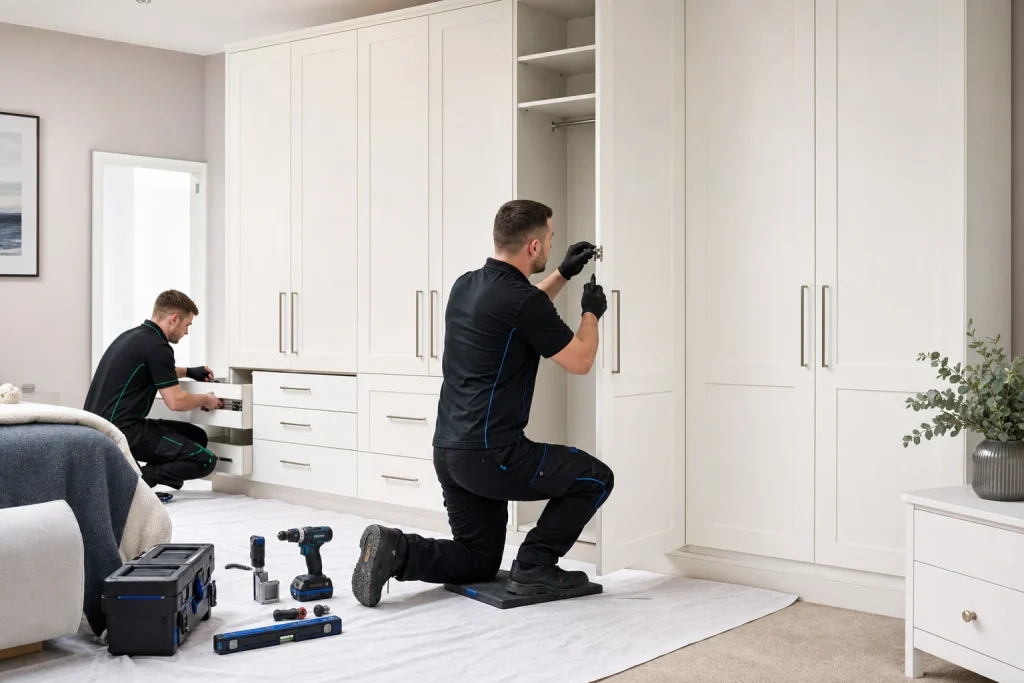
At Khristians, bespoke home office designs are created to fit the exact dimensions and lifestyle needs of each property, helping homeowners turn unused or awkward spaces into practical working environments that feel calm, functional and long-lasting.
In many cases, a well-designed built-in office does not just change how a room looks—it changes how the home itself is used.